Tired of Forgetting Your Passwords? This App Made My Digital Life Stress-Free
We’ve all been there—staring at a login screen, trying every variation of “password123” we can remember, only to be locked out again. In a world where we juggle dozens of accounts, from banking to babysitter apps, keeping track of it all feels impossible. I used to lose sleep worrying about security, until I found a simple tool that changed everything. It didn’t just save me time—it gave me peace of mind. And honestly? It’s one of the best decisions I’ve made for my family, my time, and my sanity.
The Daily Chaos of Password Overload
Picture this: it’s 7:45 a.m., the kids are arguing over breakfast, the dog needs a walk, and I’m trying to pay the electric bill before the late fee hits. I click the login link, type what I *think* is my password, and—nope. “Incorrect password.” I try again. Still nothing. So I click “Forgot password?” and wait for the reset email. But it’s not in my inbox. I check spam. Then trash. Then I realize—oh no—I used a different email for this account. Now I’m down a rabbit hole, and my work call starts in ten minutes.
Sound familiar? This was my life just two years ago. I wasn’t careless—I just had too much to remember. My passwords were a messy mix of birthdays, pet names, and slight variations of the same base word. I thought I was being smart by changing one letter each time. Spoiler: I wasn’t. The truth is, most of us do this because we’re not trained to be cybersecurity experts—we’re trained to be moms, caregivers, professionals, and planners. We’re juggling so much that password hygiene falls to the bottom of the list.
But here’s what I didn’t realize: that little shortcut was putting everything at risk. A weak or reused password is like using the same key for your front door, your car, and your safe. If someone gets it, they get access to *everything*. One study found that over 60% of people reuse passwords across multiple accounts. That means if a hacker gets into your old shopping site, they might also get into your email, your bank, or even your medical records. And it’s not because we’re lazy—it’s because the system is overwhelming. We’re not built to remember 70 different complex strings of letters, numbers, and symbols. No one is.
Discovering the Right Tool: More Than Just a Digital Vault
I didn’t set out to become a password guru. The turning point came during a casual coffee with my friend Lisa. We were catching up, and she mentioned she hadn’t reset a password in over a year. I laughed, thinking she was joking. But she wasn’t. “I use a password manager,” she said. “It logs me in automatically. I don’t even think about it.”
I’ll admit, I was skeptical. The words “password manager” sounded like something a tech bro in a hoodie would use, not a busy mom who just wants to pay the PTA dues without a meltdown. But Lisa explained it simply: it’s like a secure digital notebook that remembers all your passwords for you. You only need to remember one—the master password—and it does the rest.
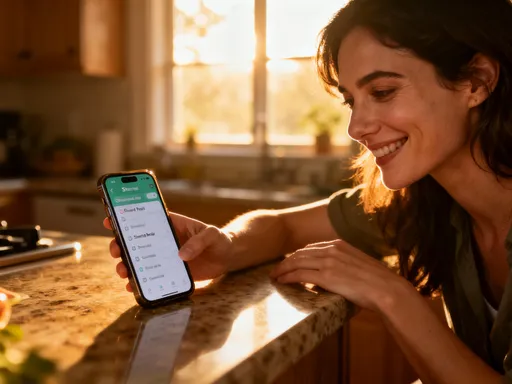
Curious, I downloaded one that night after the kids were in bed. I expected a complicated setup, maybe some confusing menus or technical jargon. Instead, it walked me through step by step. It scanned my browser and found 43 saved passwords—many of them weak or duplicates. I was shocked. The app offered to generate strong, unique ones for each site and save them automatically. The next time I went to log in somewhere, it filled in the username and password for me. Just like that. No typing. No guessing. No resetting.
That first week, I kept waiting for the other shoe to drop. But it never did. It wasn’t magic—it was just smart design. The app worked quietly in the background, like a helpful assistant who knows exactly what you need before you ask. And for the first time in years, I didn’t feel like I was one wrong keystroke away from digital disaster.
How It Actually Protects You—Without the Tech Jargon
I know what you’re thinking: “But isn’t storing all my passwords in one place risky?” That was my biggest worry too. What if the app gets hacked? What if someone steals my phone? It sounds scary—until you understand how it actually works.
Here’s the simple version: your password vault is encrypted. That means it’s scrambled into unreadable code unless you unlock it with your master password. Even if someone gets access to the company’s servers, your data looks like gibberish to them. It’s like sending a letter in a locked box—only you have the key.
And the best part? The app helps you stay ahead of threats. A few months after I started using it, I got a notification: “One of your passwords has been found in a data breach.” My heart jumped. It was an old account I hadn’t used in years—some random online course I signed up for during lockdown. I had no idea it had been compromised.
But instead of panic, the app gave me a clear path forward: “Update this password now.” I clicked the button, it generated a new strong password, and saved it—done in under 30 seconds. No stress. No confusion. I felt protected, not exposed. That moment was a game-changer. It wasn’t about fear—it was about power. I wasn’t waiting for something bad to happen. I was being proactive, and the tool made it easy.
It also made two-factor authentication—something I always thought was too complicated—actually simple. Now, when I log in from a new device, I get a prompt on my phone to approve it. It takes two seconds. No codes to type, no emails to check. Just a tap and I’m in. It’s like having a bouncer at the door of your digital life—only letting in the people who belong.
Making Family Digital Life Safer Together
This isn’t just about me. Once I saw how much easier and safer it made my life, I wanted my family to have the same peace of mind. My sister lives across the country, and when I travel for work, I used to send her my passwords over text—“Here’s the Wi-Fi code, and the garage door opener, and the alarm system…” Not exactly secure, right?
Now, I use the app’s family plan. I’ve set up secure sharing for specific logins—like our home security system or the kids’ school portal. If I’m out of town and she needs to let the plumber in, she can access the code without me typing it out or worrying it’ll be saved in a risky place. It’s shared, but it’s still protected. And when I’m done traveling, I can see exactly who accessed what and when. It’s not about spying—it’s about trust with transparency.
Then there’s my mom. Bless her heart, she’s smart, but she gets emails every week saying her computer is infected or her Social Security number is at risk. She almost sent money to someone last year who claimed to be from “Microsoft Support.” I was terrified. So I helped her set up the password manager too. Now, when she goes to a website, the app only fills in her password if it’s the real site—not a fake lookalike. It’s like a built-in scam detector. She doesn’t have to guess if a link is safe. The app does it for her.
And for my kids? They’re growing up in a world even more digital than mine. Their school assignments, extracurricular sign-ups, even their summer camp forms are all online. Instead of writing their passwords on a sticky note under the keyboard, we use the app. I can help them manage their accounts without knowing their passwords—respecting their privacy while keeping them safe. It’s not just convenience. It’s teaching them good habits early, in a way that feels normal and natural.
Building Better Habits, One Login at a Time
What surprised me most wasn’t just the time saved—it was how it changed my mindset. Before, I avoided changing passwords because it felt like a chore. Now, the app gently reminds me when a password is weak or hasn’t been updated in a while. It suggests stronger ones and fills them in automatically. Over time, I’ve become more aware of where I’m logging in, what sites I trust, and how I share information.
I don’t write passwords on scraps of paper anymore. I don’t use my daughter’s name with a number at the end. I don’t panic when I switch devices. And when I see a website asking for personal info, I pause and think: do I really need to create an account here? Can I use a temporary email? The app didn’t just fix a problem—it helped me grow more confident in my digital choices.
It’s like starting a fitness routine. At first, it feels like effort. But after a few weeks, it becomes part of your life. You don’t think about stretching before bed—you just do it. The same thing happened with my online security. What felt like a big change became a small, seamless habit. And the more I used it, the more I trusted it. Now, when I help a friend set up their email or sign up for a new service, I show them how to use the password manager too. It’s become part of how I care for the people I love.
What to Watch Out For—And How to Stay Safe
Look, no tool is perfect. And I want to be honest with you—there are a few things I’ve learned the hard way. First, your master password is everything. It’s the one password you *must* remember and keep strong. I use a mix of words, numbers, and symbols—something easy for me to recall but hard for others to guess. Think of a phrase like “BlueSky$2024!”—personal, but not obvious.
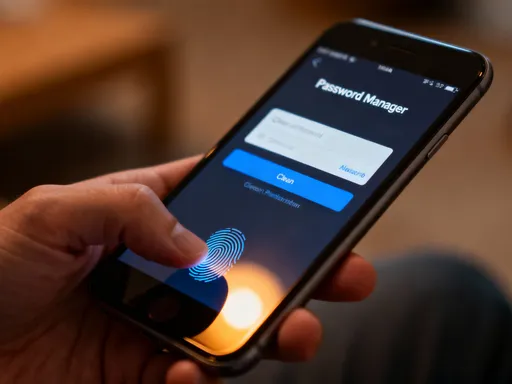
Second, enable biometric login if your device allows it. That means using your fingerprint or face scan to unlock the app. It’s faster and more secure than typing a password every time. And third, be careful about which app you download. There are fake or low-quality password managers out there. I recommend sticking with well-known names—ones you’ve heard of, with good reviews and strong privacy policies. A quick search can save you from a big mistake.
Also, don’t store everything in there. I keep my master password written down in a locked drawer at home—just in case I ever forget it or something happens. It’s the only password I keep offline. And I’ve added emergency access for my husband, so if something happens to me, he can get into our accounts without guessing. It’s not morbid—it’s practical. We plan for car repairs and home maintenance. Why not digital safety?
Finally, trust your gut. If something feels off—if a login screen looks strange or the app is acting weird—pause. Double-check the website. Log out and back in. Don’t rush. A few seconds of caution can prevent a major problem. The password manager is a tool, but you’re still the one in charge. And that’s exactly how it should be.
More Than Security—It’s Peace of Mind
When I think about what this small change has given me, it’s not just about stronger passwords or fewer login frustrations. It’s about something deeper: peace of mind. I no longer lie awake wondering if someone has accessed my bank account. I don’t dread the moment I have to help my mom with her email. I don’t feel guilty about my kids being online.
It’s given me time—time I used to spend resetting passwords, searching for codes, or worrying about scams. That time now goes to things that matter: reading with my kids, calling a friend, or just sitting quietly with a cup of tea. It’s given me confidence—not because I’m a tech expert, but because I have a system that supports me.
And maybe most importantly, it’s brought me closer to my family. We talk more about online safety. We help each other stay protected. We share access when we need to, without fear. It’s become part of how we care for one another in a digital world.
If you’re still managing passwords the old way—writing them down, reusing them, guessing every time—please know you’re not alone. And you don’t have to stay stuck. This isn’t about being perfect. It’s about making one small change that ripples through every part of your life. You don’t have to be a tech whiz. You just have to care about your time, your family, and your peace.
And if it worked for me—a busy mom who once forgot her Netflix password—then it can work for you too. Take that first step. Download the app. Set it up. Let it do the heavy lifting. Because you deserve to move through your digital life with ease, confidence, and calm. And honestly? That’s a feeling worth having.