It’s not just about staying connected: How social platforms quietly simplified my remote work life
Remember the early days of working from home—endless emails, missed messages, and meetings that could’ve been a quick chat? I was overwhelmed, juggling tasks and time zones, until I realized the tools I already used every day could do more. Social platforms weren’t just for scrolling—they became my workspace, my planner, and my team huddle. This is how they transformed my chaotic routine into something calm, clear, and actually manageable. It wasn’t about downloading new software or mastering complicated systems. It was about seeing the familiar in a new light. And once I did, everything—from how I organized my day to how I connected with my team—started to feel lighter, more natural, and surprisingly more effective.
The Remote Work Chaos: When “Flexibility” Felt Like Falling Apart
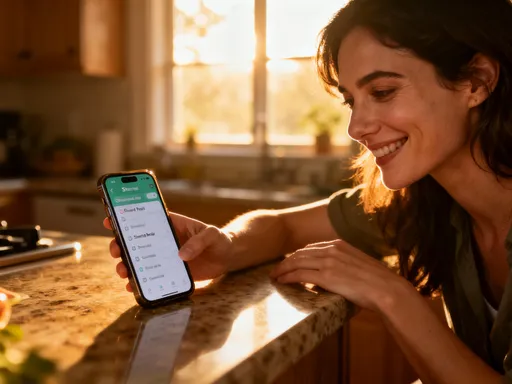
When the world first shifted to remote work, I thought I’d finally found the dream setup. No more rushing to beat traffic, no uncomfortable office shoes, and the freedom to start my day with a slow cup of tea while the sun warmed the kitchen. But that dream didn’t last long. Within weeks, the lines between my personal life and my work life began to blur. My dining table turned into a desk, my living room became a conference room, and my brain? It felt like it was constantly switching channels without ever landing on the right one.
I’d wake up with good intentions—today’s the day I’ll stay organized, focused, and productive. But then a message would pop up at 8 a.m., followed by three more emails by 8:15, and suddenly I was already reacting instead of leading my day. The flexibility I’d hoped for started to feel like fragmentation. I was doing work all the time, but accomplishing less. I missed the natural rhythm of an office—the morning check-in with a colleague, the quick hallway chat that clarified a task, the unspoken cues that told me when it was time to wrap up.
And then there was the silence. Not the peaceful kind, but the heavy, hollow kind that settles in when you’re alone all day. No laughter from the next desk, no shared eye roll over a tough client. Just me, my laptop, and the occasional ping from a notification. I started to feel disconnected—not just from my team, but from my own sense of purpose. I was busy, yes, but I wasn’t sure I was moving forward. That’s when I began wondering: Was there a simpler way? Something that didn’t require more tools, more training, or more mental load?
The Unexpected Helper: Social Platforms as More Than Just Chat Apps
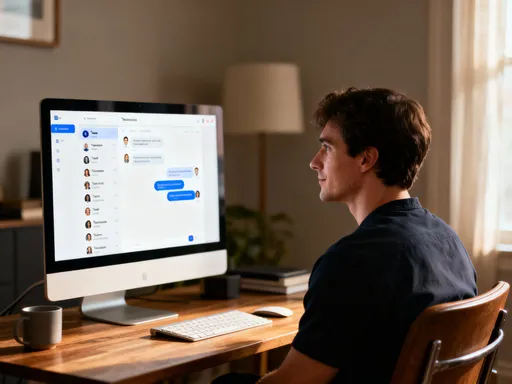
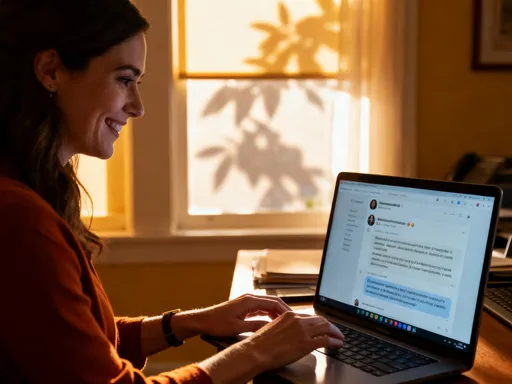
I wasn’t looking for a tech revolution. I just wanted to feel less scattered. One afternoon, instead of drafting a formal email to my team about a project delay, I typed a quick update into our private group chat: “Running 30 minutes behind on the client deck—will send by 3 PM. Apologies for the delay!” Within seconds, I got replies: “No worries!” “We’ve got your back.” “Need help with anything?”
That small exchange changed everything. It wasn’t just faster than email—it felt more human. There was warmth in those responses, a sense of shared responsibility. And for the first time in weeks, I didn’t feel like I was letting anyone down. That’s when it hit me: I was already using social platforms every day, but I’d never thought of them as work tools. I used them to keep up with my sister’s baby photos, to share recipes with friends, to laugh at funny videos. But what if I could use them to make my work life easier, too?
I started experimenting. Instead of scheduling a meeting to discuss a minor issue, I posted a quick question in the group. Instead of waiting for feedback via email, I shared a draft with a simple “Thoughts?” and tagged the right people. The responses were faster, more conversational, and often more helpful than formal replies. I wasn’t breaking any rules—I was just using the tools I already knew, in a slightly different way. And the more I did it, the more I realized these platforms weren’t just for connection. They could be for clarity, for momentum, for peace of mind.
Turning Updates into Action: Task Management Without the Overhead
I’ll admit, I used to be a project management app person. I tried every tool out there—color-coded calendars, task lists with subtasks, reminder systems that sent alerts from three different devices. But the truth? I spent more time managing the system than doing the actual work. It felt like running a small IT department just to keep track of my to-do list.
Then I started using social platforms differently. I began posting simple status updates—like mini check-ins—that kept everyone informed without requiring a meeting or a long email chain. A post like “Starting the report—need feedback by noon” did more than just announce my progress. It created a quiet accountability. My team saw it, noted it, and responded when needed. No logins, no attachments lost in a sea of emails, no confusion about who was doing what.
What surprised me most was how it changed our meetings. We used to have a weekly sync that ran over an hour, often circling back to the same questions: “Is the design ready?” “Did you hear from the client?” “What’s the status on the budget?” But once we started sharing updates in real time, those meetings got shorter—way shorter. We cut them in half because we were already aligned. The platform became our shared dashboard, and the updates became our rhythm. It wasn’t about replacing professional tools—it was about using what we already had to reduce friction and keep things moving.
Building Rhythm: Daily Habits That Keep Work on Track
One of the hardest parts of working from home was the lack of structure. In the office, the day had natural bookends—the morning arrival, the lunch break, the final email before logging off. At home, it all blurred together. I’d start working before breakfast and still be answering messages after dinner. I needed boundaries, but I didn’t want to feel rigid or robotic.
So I created small digital rituals. Every morning, I’d post a quick message in our team group: “Top priority today: finalize the proposal. Coffee in hand, ready to go!” It wasn’t just for my team—it was for me. That post became my starting signal, like flipping on a lamp in a dark room. It told my brain: It’s time to focus.
At the end of the day, I’d share a “done” list—just three things I’d completed. Sometimes it was big, like “submitted the final draft.” Other times, it was small, like “answered all client emails.” But seeing it in writing, and sharing it with others, gave me a sense of closure. It was proof that I’d moved forward, even on days when I didn’t feel like I’d accomplished much. My partner noticed the change. “You seem calmer in the evenings now,” she said one day. “Like you’re really done with work.” That was the rhythm I’d been missing—something simple, repeatable, and human.
The Emotional Side: Staying Human When You Work Alone
We don’t talk enough about the emotional toll of remote work. It’s not just about productivity or efficiency. It’s about feeling seen, heard, and part of something. There were days I’d go hours without speaking to another human being. I’d eat lunch alone, take a walk by myself, and come back to the same quiet room. The silence wasn’t peaceful—it was lonely.
But then, something small would happen in our group chat. Someone would post a photo of their morning coffee with the caption “Fueling up for a long day.” Another would share a meme about Monday struggles. Or someone would write, “Just got off a brutal call—anyone else feel like they need a hug?” And suddenly, the loneliness would lift. We weren’t just coworkers exchanging updates. We were people, sharing real moments.
Those little exchanges became emotional lifelines. A simple “You got this!” under a stressed-out post did more for my mood than any corporate wellness email ever did. We started celebrating small wins—“Closed the deal!” “Got the client’s approval!”—and those celebrations built trust. We began to know each other not just as roles, but as people with lives, moods, and quirks. That sense of connection didn’t come from a mandatory team-building exercise. It grew naturally, one post at a time, in the spaces between work.
Boundaries That Work: Keeping the Noise Out Without Feeling Isolated
Of course, it’s possible to have too much of a good thing. There were times when the constant pings started to feel overwhelming. I’d be in the middle of writing, and a new message would pop up—funny, friendly, but still a distraction. I realized that if I wasn’t careful, these helpful tools could turn into sources of stress.
So I learned to set boundaries—smart ones. I started muting non-urgent groups after 7 PM. I turned on “quiet mode” during deep work hours. I even set my status to “Focus Mode” when I needed uninterrupted time. And you know what? My team respected it. They didn’t take it personally. In fact, they started doing the same. We began using statuses like “Lunch break,” “In a call,” or “Offline until 2 PM” to signal our availability.
This wasn’t about cutting off connection—it was about shaping it. I wanted to stay in touch, but on my terms. The beauty of these platforms was that they gave me control. I could choose when to engage and when to step back. I wasn’t at the mercy of notifications. I was the one in charge. And that made all the difference. I could be present for my family in the evening without worrying I was missing something important. I could focus during the day without feeling guilty about not responding instantly.
A Simpler Way Forward: What This Means for Your Work Life
This journey wasn’t about finding a perfect system or adopting the latest tech trend. It was about realizing that the tools I already had in my pocket could do more than I thought. I didn’t need to learn a new app or pay for an expensive subscription. I just needed to use what I already knew—social platforms—in a more intentional way.
When I started treating these platforms as part of my work rhythm, everything changed. Tasks became easier to track. Communication became more natural. My team felt closer, even though we were miles apart. And I felt more in control of my time, my energy, and my emotions. It wasn’t a tech upgrade—it was a mindset shift. I stopped seeing social tools as distractions and started seeing them as allies.
And the best part? This isn’t something only tech-savvy people can do. You don’t need to be a digital native or a productivity guru. You just need to be willing to try something small. Post a morning update. Share a “done” list. Send a quick encouragement to a teammate. These tiny actions add up. They create rhythm. They build connection. They bring calm.
Conclusion
Working from home doesn’t have to mean burnout or isolation. I found that the apps I once used just for fun became quiet allies in creating a simpler, more human work life. They helped me stay organized without the clutter, connected without the chaos, and focused without the pressure. It wasn’t about working harder or longer. It was about working smarter—and kinder—to myself.
The truth is, technology doesn’t have to be complicated to be powerful. Sometimes, the most helpful tools are the ones we already know how to use. We just need to see them in a new light. So the next time you open that familiar app, ask yourself: Could this do more for me? Could it help me feel more in control, more connected, more at peace? Because it might just be the small change that makes the biggest difference.