I used to miss my bus every morning: This app now keeps me on track—and healthier than ever
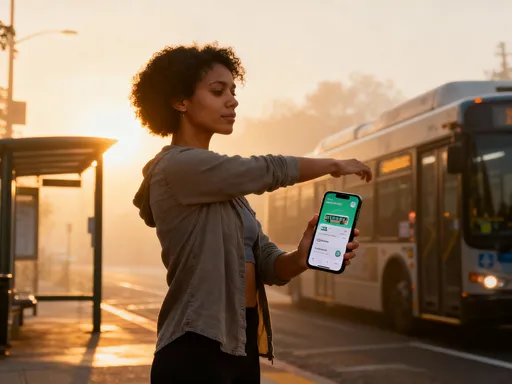
We’ve all been there—rushing out the door, only to realize the bus is already gone. That daily stress used to wreck my mood and mess with my health. I’d sprint down the block, heart pounding, only to watch the bus pull away. And that frantic start? It stayed with me all day. I felt on edge, tired, and disconnected from myself. But what if your commute could actually help you feel better? I discovered an app that doesn’t just tell me when the bus is coming—it tracks my steps, reminds me to breathe, and keeps my routine steady. It’s not just about getting around; it’s about feeling good while doing it. And honestly, it’s changed everything.
The Morning Chaos That Changed Everything
For years, my mornings followed the same exhausting pattern. Wake up late, scramble to get the kids ready, spill coffee, forget my keys, and finally dash out the door—only to miss the bus by seconds. That daily race wasn’t just inconvenient; it was wearing me down. I started waking up already tense, my shoulders tight, my jaw clenched. I’d get headaches by 10 a.m., feel drained by lunch, and wonder why I couldn’t keep up. I blamed being a mom, being busy, being 'just tired.' But the truth was, my commute was setting the tone for my entire day—and it was a tone of stress.
It took a visit to my doctor to realize how much it was affecting me physically. She noticed my posture during the exam—rounded shoulders, forward head, shallow breathing—and asked, 'Do you spend a lot of time rushing?' I laughed, but then got emotional. Yes, every single morning. She explained that chronic stress from constant rushing can raise cortisol levels, disrupt sleep, and even impact digestion and immunity. I never thought of my missed bus as a health issue. But there it was: my commute wasn’t neutral. It was actively harming me. That was the wake-up call I needed. I didn’t just want to catch the bus—I wanted to start my day feeling calm, strong, and in control.
So I started looking for solutions. I tried alarms, checklists, prepping the night before. Some helped, but nothing stuck. Until one day, my friend Mia mentioned an app she’d been using—not just for transit, but for her well-being too. 'It’s like having a little coach in your pocket,' she said. I was skeptical. Another app? Really? But I was desperate. I downloaded it that night. And within a week, my mornings started to change.
How a Simple Transit App Became My Health Ally
I opened the app expecting just bus times. That’s what I needed, after all. But what I found was so much more. Right on the home screen, it showed not only the next bus arrival but also how many steps I’d taken that morning, my current posture (based on how I was holding my phone), and a gentle prompt: 'You’ve been still for 20 minutes. Try a quick stretch?' I blinked. No other transit app had ever asked me how I was feeling.
At first, I ignored the wellness features. I was there for the bus schedule, not a pep talk. But the app was persistent—in the nicest way. While I waited at the stop, it offered a 60-second breathing exercise. When my bus was running late, it suggested a short walk around the block. And if I’d been sitting during the ride, it reminded me to stand and shift my weight when I could. These weren’t demands. They were kind nudges, like a friend gently reminding me to take care of myself.
Within a few weeks, something shifted. I started walking to a farther stop just to get in more steps. I noticed myself standing taller, rolling my shoulders back without even thinking. I began arriving at work not frazzled, but calm. My daughter even said, 'Mom, you seem less stressed lately.' That’s when it hit me: this app wasn’t just helping me catch the bus. It was helping me care for my body and mind during the very part of my day I used to dread. It had turned my commute into a quiet moment of self-care—no gym, no meditation cushion, no extra time needed. Just small, doable things, woven into my existing routine.
Real-Time Data That Cares About Your Body, Not Just Your Route
What makes this app different from other transit tools is that it doesn’t treat you like a passenger moving from point A to B. It treats you like a person—with a body, emotions, and daily rhythms. It uses the sensors already in your phone—accelerometer, GPS, heart rate monitor (if you’re wearing a device)—to understand your movement and stress levels in real time. If you’ve been sitting for too long, it sends a soft alert: 'Time to stand and stretch your legs.' If your heart rate spikes during a sprint to the stop, it follows up with a breathing guide to help you reset.
I remember one rainy morning when I’d almost missed my bus. I was out of breath, jacket soaked, feeling defeated. As I sat down, the app noticed my elevated heart rate and popped up a message: 'You’re safe now. Let’s breathe together.' It guided me through four slow breaths—inhale for four, hold for four, exhale for six. By the end, my hands had stopped shaking. I looked out the window and actually noticed the rain on the glass, the reflection of the city lights. I wasn’t just surviving the commute. I was present in it.
This is the kind of smart design I love—technology that doesn’t add to the noise, but helps you find peace within it. Instead of scrolling mindlessly on my phone during the ride, I started using the app’s audio guides: five-minute mindfulness sessions, light stretching routines, or even gratitude prompts. One asked, 'What’s one thing you’re looking forward to today?' I thought of my daughter’s school play that evening. My whole mood lifted. The app wasn’t replacing my humanity—it was enhancing it. It turned what used to be dead time into moments of connection—with myself, with my day, with what matters.
The Power of Friend-Recommended Tech
I’ll be honest: I wouldn’t have trusted this app if it had shown up in an ad. 'A transit app that improves your health?' Sounds too good to be true, right? But when Mia told me about it, I listened. We’ve been friends for over a decade. She’s a nurse, a mom of two, and someone who’s always calm under pressure. When she said, 'This changed my mornings,' I believed her. There’s something about recommendations from people who know your life—who’ve seen you rush out the door with one shoe untied, who’ve texted you 'Good luck with the bus!'—that makes tech feel less cold and more personal.
She didn’t just send me a link. She walked me through how she used it. 'I check it first thing,' she said. 'It tells me the bus time, but also reminds me to drink water and take a deep breath before I go. It’s like it knows I need that.' That personal touch made all the difference. I didn’t feel like I was downloading some faceless algorithm. I was trying something that had helped someone I love. And that made me more likely to stick with it.
Since then, I’ve recommended it to two other moms in my neighborhood. One said her teenage son started using it too—'He likes the step challenge feature,' she told me. That’s the thing about good tech: when it’s designed with empathy, it spreads naturally. It doesn’t need flashy ads or aggressive marketing. It just works. And when it works for real people in real life, they want to share it. That’s how change happens—not through hype, but through trust.
Small Nudges, Big Changes in Daily Health
I didn’t set out to 'get healthy.' I just wanted to stop missing the bus. But the app’s gentle suggestions led to real, lasting changes. It reminded me to take the stairs instead of the escalator. It encouraged me to walk an extra block when the bus was delayed, turning frustration into movement. It even prompted me to drink water after a hot, crowded ride—something I’d always forget.
These weren’t big, dramatic changes. No 5 a.m. workouts. No strict diets. Just tiny habits, repeated over time. And yet, the effects added up. I had more energy. I slept better. My clothes fit differently. I didn’t weigh myself, but I could tell—I felt lighter, stronger, more alive. My doctor noticed too. At my last check-up, she said my blood pressure was the best it had been in years. 'What changed?' she asked. I told her about the app, about the breathing exercises, the walking, the way I was finally starting my day with intention instead of panic.
She smiled and said, 'Sometimes, the smallest shifts make the biggest difference.' And she’s right. This wasn’t about perfection. It was about progress. The app didn’t judge me if I skipped a reminder or missed a step goal. It just kept showing up, offering support. And over time, I started showing up for myself. That’s the beauty of technology designed with care—it doesn’t overwhelm you. It meets you where you are and walks with you, one small step at a time.
Making Commuting Work for Your Whole Life
Now, my mornings feel completely different. I still get the kids ready, still spill coffee sometimes, still forget things. But I don’t rush. I open the app first thing. It tells me the bus is coming in 12 minutes. The weather is mild. And it asks, 'How are you feeling today?' I tap 'Good, but a little tired.' It suggests a two-minute neck stretch and a glass of water. I do both while the kids eat breakfast.
On the way to the stop, I walk at a steady pace. I notice the trees, the birds, the way the light hits the sidewalk. At the stop, I do a quick shoulder roll. The app guides me through a breathing exercise while I wait. On the bus, I listen to a short audio story—something calming, not stressful news. I arrive at work not drained, but centered. And that calm stays with me. I’m more focused in meetings. I respond to emails with patience, not panic. I call my mom during lunch. I feel like myself again.
And when I come home? I’m not too tired to play with my kids. I’m present. I laugh more. I don’t collapse on the couch. My husband noticed. 'You seem… lighter,' he said. 'Like you’re not carrying the whole world on your shoulders.' I smiled. I’m not. The app didn’t take the weight away—but it gave me tools to carry it better. It turned my commute from a source of stress into a daily reset. And that has changed everything.
Why This Matters Beyond Just Getting Around
This isn’t just about an app. It’s about a shift in how we think about technology. For so long, we’ve seen it as a distraction, a source of noise, something that pulls us away from real life. But what if it could do the opposite? What if our devices could help us slow down, tune in, and take care of ourselves—especially during the busiest parts of our day?
When a transit app starts caring about your posture, your breath, your mood, it becomes more than a tool. It becomes a partner. It says, 'I see you. I know this part of your day is hard. Let me help.' And that kind of support matters—especially for women like us, who are always giving, always doing, always putting others first. We forget to check in with ourselves. But technology, when designed with kindness and intelligence, can remind us to do just that.
It’s not about replacing human connection or self-discipline. It’s about support. It’s about creating small pockets of peace in a hectic world. And when those pockets add up—when your commute becomes a moment of calm, when your phone helps you breathe instead of stress—you start to feel more in control. More capable. More like the strong, capable woman you are.
I still miss the bus sometimes. Life happens. But now, when it does, I don’t panic. I check the app, adjust my plan, and take a breath. I remind myself: it’s not the bus that defines my day. It’s how I respond. And thanks to this little app, I’m responding with more grace, more strength, and more peace than ever before. If you’re tired of starting your day in survival mode, I hope you’ll give it a try. Not for the tech. But for yourself.