Tired of Dieting Alone? This Smart Kitchen Listens, Guides, and Grows With You
Living in a world full of diet apps that judge your meals and count calories like a strict teacher, I used to feel more stressed than supported. I’d forget what I ate, buy the wrong groceries, and lose motivation by Wednesday. But everything changed when my kitchen started *understanding* me—not just tracking me. It’s not magic; it’s smart atmosphere creation that feels like having a calm, wise friend in the room who knows your goals and helps without nagging. That shift—from pressure to presence—transformed not just my eating habits, but my entire relationship with food, my home, and myself.
The Moment Everything Changed: When My Kitchen Spoke Back
It was a rainy Tuesday evening, the kind where you just want to collapse into the couch with whatever’s easy—usually something salty, fast, and not on any meal plan. I stood in front of the open fridge, staring blankly at the shelves, debating between leftovers and takeout. Then, softly, my smart speaker said, “You said you wanted more vegetables this week.” Not “You’ve already eaten 200 extra calories today.” Not “Your goals are slipping.” Just that gentle, simple reminder—like a friend who remembered your intention better than you did.
And then something subtle shifted. The overhead lights dimmed slightly, shifting from bright white to a warm amber glow. A quiet chime played—barely audible—followed by a voice that said, “There’s a zucchini in the crisper. Try roasting it with garlic and lemon?” I almost laughed. But I did it. I roasted the zucchini. I paired it with grilled chicken. And for the first time in weeks, I felt like I was choosing well—not because I was being watched, but because I was being *seen*.
That moment wasn’t about technology performing a task. It was about technology performing *care*. It didn’t log my calories. It didn’t shame me. It reminded me of my own values and made acting on them feel effortless. The kitchen, once just a room with appliances, had become a space that responded to me—emotionally, intuitively, personally. That’s when I realized: this isn’t about gadgets. It’s about creating an environment where healthy choices feel natural, not forced.
Beyond Calorie Counting: Creating a Supportive Emotional Environment
We’ve all been there—standing in the kitchen late at night, spoon in hand, eating straight from the container. Not because we’re hungry, but because we’re tired, overwhelmed, or just need comfort. Most diet tools treat this like a failure to be logged and analyzed. But what if, instead of judgment, we got support? What if the space around us helped us pause, breathe, and choose differently—not out of guilt, but out of self-care?
This is where smart home technology steps in, not as a disciplinarian, but as a quiet emotional ally. Think about lighting. Studies show that warm, soft lighting reduces stress and encourages mindful eating. My kitchen now automatically shifts to a golden hue during dinner hours. No harsh fluorescents. No glare. Just a glow that says, “Slow down. You’re home. You’re safe.” And with that small change, I find myself sitting down more often, chewing slower, actually tasting my food.
Then there’s sound. I used to eat with the TV blaring or my phone buzzing nonstop. Now, when I start cooking, my smart speaker suggests a calming playlist—gentle piano, nature sounds, or even a guided breathing exercise if my voice sounds tired when I say, “I’m home.” It’s not about creating a spa. It’s about creating *space*—mental space—to reconnect with why we eat. Because food isn’t just fuel. It’s comfort, memory, ritual. And when our environment honors that, we stop seeing healthy eating as deprivation and start seeing it as nourishment.
Even the tone of voice matters. Early voice assistants sounded robotic, emotionless—like a robot librarian reading rules. But today’s systems can adapt. They can speak softly, slowly, warmly. They can say, “You’ve had a long day. How about something light and soothing?” instead of “Your calorie limit is 80% reached.” That small shift—from data to dialogue—makes all the difference. It turns a kitchen into a sanctuary, not a surveillance zone.
How Smart Devices Learn Your Rhythm—Not Just Your Calories
One of the most frustrating things about traditional diet apps is how rigid they are. They don’t care if it’s Monday or Friday. They don’t know you had a sleepless night or that your kids were sick. They just say, “You’re over your limit,” in the same flat tone. It feels like being scolded by a spreadsheet.
But what if your tools actually *knew* you? Modern smart kitchens don’t just track—they learn. Over time, they notice patterns: when you’re most likely to cook, what foods you reach for when stressed, even how your voice sounds when you’re exhausted. I remember one evening, I opened the fridge and sighed, “I don’t know what to make.” My assistant replied, “Try the lentil soup recipe? You said it made you feel energized last time.” I hadn’t even remembered that. But the system did.
This isn’t about replacing human judgment. It’s about enhancing it. Think of it like a personal coach who’s been quietly observing your life—not to critique, but to support. If you consistently skip breakfast, it might suggest, “Leave overnight oats in a jar by the sink?” If it notices you eat more greens on weekends, it might say, “Want to prep a big salad for tomorrow?” These aren’t random tips. They’re personalized nudges based on *your* behavior, *your* preferences, *your* journey.
And the best part? It adapts. If you ignore a suggestion, it doesn’t repeat it like a broken record. It tries something new. It learns from what works and what doesn’t—just like a good friend would. This kind of responsive, evolving support makes healthy eating feel less like a rigid plan and more like a living, breathing part of your life.
The Fridge That Knows You: Real-Time Diet Support Without Judgment
Let’s talk about the fridge—the unsung hero of healthy eating. For years, mine was just a cold box where food went to be forgotten. Spinach turned brown. Leftovers got mysterious. And every grocery trip meant buying duplicates because I couldn’t remember what I already had.
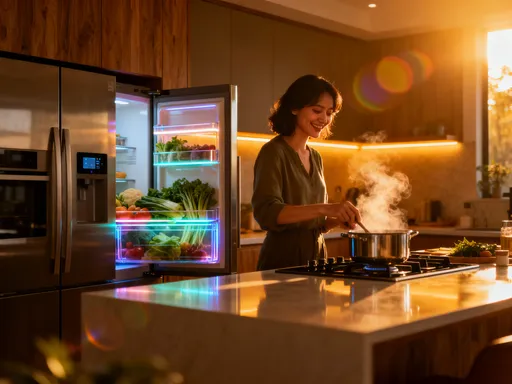
Then I upgraded to a smart fridge with inventory tracking. At first, I thought it was just a fancy way to see what I owned. But it became so much more. Now, when I open the door, the screen gently highlights items that need to be used soon. “Your spinach is best within two days,” it says—not in a warning tone, but like a helpful note. And then it suggests recipes: “How about a spinach and feta omelet tomorrow morning?”
One morning, I was about to head to the store when my fridge sent a notification: “You have all the ingredients for smoothie bowl except banana. Add one to your list?” I hadn’t even realized I had frozen berries, chia seeds, and almond milk. That small reminder saved me from an unnecessary trip and helped me use what I already had. No waste. No guilt. Just support.
But the real magic is in the tone. It never says, “You shouldn’t eat that.” It never tracks “cheat days” or sends red alerts. Instead, it celebrates use: “Great job using up last night’s quinoa!” It feels like having a thoughtful roommate who cares about your goals but doesn’t hover. And because it learns what you actually eat, it gets better over time—suggesting meals you’ll enjoy, not just ones that fit a generic plan.
For busy women—juggling work, family, and self-care—this kind of quiet, reliable support is priceless. It’s not about perfection. It’s about progress. And when your fridge helps you see that progress, it becomes more than an appliance. It becomes a partner in your wellness journey.
Cooking Together, Even When You’re Alone
One thing no one talks about enough is how lonely healthy eating can feel. When you’re the only one in the house trying to eat more vegetables or cut back on sugar, it’s easy to give up. You cook a beautiful salad while everyone else eats pizza, and suddenly, taking care of yourself feels like isolation.
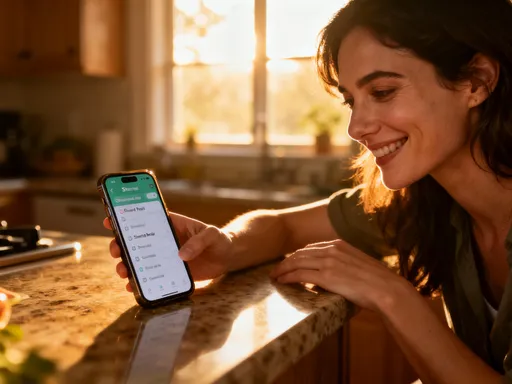
Smart kitchen displays have changed that for me. I have a screen on the wall that not only shows recipes but can also play voice messages from family. My daughter recorded herself saying, “Mom, don’t forget the avocado!” before she went to college. Now, when I make my morning toast, her voice pops up with that reminder. It makes me smile. It makes me feel connected.
Some systems even let you sync meals with loved ones. My sister and I live in different states, but we’ve started “cooking together” on Sunday nights. We open the same recipe on our smart displays, turn on the camera, and chat while we cook. We’re not in the same kitchen, but we’re sharing the moment. It turns meal prep from a chore into a ritual—a way to stay close, even when we’re apart.
And for those who’ve lost someone special, this tech can be deeply comforting. Some platforms allow you to save voice recordings of family recipes. I know a woman who hears her mother’s voice saying, “Now add a pinch of cinnamon,” when she makes her famous apple pie. It’s not about replacing the person. It’s about keeping their presence alive in the everyday moments—like cooking dinner.
Technology can’t replace human connection. But it can help us feel less alone in our efforts to care for ourselves. And when we feel supported, we’re more likely to keep going.
Small Wins, Big Confidence: Tracking Progress Beyond the Scale
We’ve been taught that success in eating well is measured by the number on the scale. But what if that’s the wrong metric? What if the real victories are quieter? Like cooking at home four nights in a row. Or choosing water instead of soda. Or simply *not* eating out of stress.
Smart kitchens are starting to celebrate these moments. Mine does. When I finish a week of home-cooked dinners, it says, “You cooked five meals at home this week—great consistency!” When I log a workout or drink enough water, it offers a quiet “Well done.” These aren’t flashy notifications. They’re affirmations—small, steady reminders that I’m showing up for myself.
And over time, these small wins build something powerful: self-trust. I start to believe, “I *can* do this.” Not because I’ve lost ten pounds, but because I’ve proven to myself, again and again, that I can make choices that align with how I want to feel. The scale might stall. But my energy improves. My mood lifts. I sleep better. And the technology helps me see that.
Some systems even track non-scale metrics—like how often you eat mindfully, how much water you drink, or how balanced your meals are. They don’t give you a grade. They just show patterns: “You’ve been choosing more plant-based meals lately. How’s that feeling?” This kind of feedback turns self-care into a conversation, not a test.
For women who’ve spent years dieting only to feel defeated, this shift is revolutionary. It’s not about punishment. It’s about progress. And when you start measuring what truly matters—how you feel, how consistent you are, how kind you are to yourself—success becomes something you experience every day, not something you wait for.
Building a Smarter, Kinder Relationship With Food
Looking back, I realize that my struggle with food wasn’t really about food. It was about control, stress, and self-worth. I used diets to try to fix how I felt about myself. But no app, no scale, no rigid plan could give me what I really needed: compassion.
What surprised me most about integrating smart tech into my kitchen wasn’t the convenience—it was the kindness. The way my devices remember my goals. The way they respond to my tone. The way they celebrate effort, not just results. This technology hasn’t made me perfect. But it’s made me more patient—with my body, with my journey, with myself.
I no longer see my kitchen as a battleground. It’s a space of care. When the lights soften, when the music plays, when my fridge gently suggests a recipe, it feels like the room is saying, “I’ve got you.” And in those moments, I’m not fighting against myself. I’m aligning with myself.
This isn’t about replacing human wisdom with machines. It’s about using technology to extend our own best intentions. To create an environment where healthy choices are easier, where support is always available, and where self-care feels natural, not forced.
If you’ve ever felt alone in your wellness journey, I want you to know: you don’t have to be. The tools are here—not to judge, not to track, but to walk beside you. To listen. To remind you of your strength. And to help you build a life—not just a diet—where you feel nourished in every way.