I kept saying 'I’ll try again next week'—this app finally made my goals stick
We’ve all been there—writing down big dreams in a notebook, only to forget them by Friday. I once started a fitness goal three times in one month, each time feeling worse than the last. Sound familiar? The problem isn’t us; it’s the system. But what if your phone could quietly, gently help you follow through—without judgment or flashy gimmicks? That’s exactly what happened when I found the right goal-tracking app. No hype, just real progress. It didn’t promise miracles, but it gave me something far more valuable: consistency. And that small shift changed everything.
The Quiet Struggle of Starting Over (and Over Again)
How many times have you told yourself, “This time, I’ll really stick to it”? Maybe you bought a new journal with a beautiful cover, wrote down your goals in bold letters—drink more water, walk 10,000 steps, save $200 a month—and felt that little spark of hope. Then life happened. A busy week at work, a sick child, a forgotten lunch that sent your whole day off track. By Wednesday, you hadn’t logged a single glass of water. By Friday, the journal was buried under mail on the kitchen counter.
I used to think I just wasn’t strong enough. That I lacked willpower. But over time, I realized it wasn’t about discipline—it was about support. We’re not failing because we’re weak; we’re failing because the tools we use don’t understand real life. Sticky notes fall off the fridge. Calendars get ignored. Spreadsheets feel like work, not growth. And when we miss a day, the guilt hits hard. That little voice says, “You blew it. Might as well start over next week.” But starting over again and again? That’s exhausting. It chips away at your confidence. It makes you feel like change is impossible.
Here’s the truth: we don’t need more motivation. We need better systems. Systems that meet us where we are—tired, busy, distracted, but still trying. I remember one January, I wrote “Read 20 books this year” in my planner. By February, I’d read half a novel. I felt disappointed, but not surprised. The goal was clear, but the path wasn’t. There was no reminder, no celebration for finishing a chapter, no way to see how far I’d come. It was just me, alone with a big dream and no support. Sound familiar? You’re not failing. You’re just using tools that weren’t built for real life.
Why Most Apps Fail Us When We Need Them Most
So I turned to technology. If paper wasn’t working, maybe an app could. I downloaded a few—colorful ones with badges, streaks, and motivational quotes. At first, it felt fun. I loved seeing a little trophy pop up after logging three days in a row. But then, one morning, the app wouldn’t open. I waited. I restarted my phone. Nothing. A few days later, a message said it had been removed from the app store. All my data—gone. No warning. No backup. Just silence.
It wasn’t the first time. Another app crashed every time I tried to sync. A third required constant internet, so when I walked without my phone, I couldn’t log it later. One even changed its entire layout after an update, and I couldn’t find where to track my water intake. These weren’t minor annoyances—they were breaking trust. Every time an app failed me, it felt like another reason to give up. It reinforced that old story: “You can’t stick with anything.”
Here’s what I’ve learned: when you’re trying to build a habit, the last thing you need is a fragile tool. You need something that works even when you’re tired, even when your phone is low on battery, even when you forget to charge it. You need stability. You need an app that doesn’t make you think. Most apps are designed for tech lovers, not for real people juggling school pickups, grocery lists, and bedtime routines. They’re full of features no one uses—social sharing, leaderboards, complex analytics. But what most of us need is simple: a way to say “I did it” and know it’s saved.
Reliability isn’t sexy, but it’s everything. Think about your favorite coffee mug. It’s not fancy, but it’s always there, unbroken, ready when you are. That’s what a good app should feel like. Not a flashy gadget, but a quiet companion. One that doesn’t demand attention but shows up when you need it. That’s the kind of tech that actually helps—not by exciting you, but by being there, day after day, without drama.
How a Simple Tracker Became My Daily Anchor
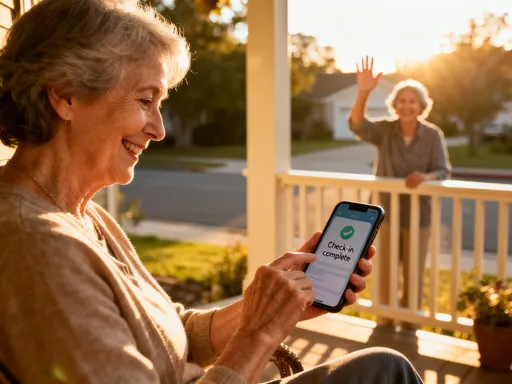
Then I found it. Not through ads or reviews, but a whisper from a friend. “It’s not flashy,” she said, “but I’ve used it for 18 months straight.” That was enough. I downloaded it, set up one goal—walk 30 minutes three times a week—and forgot about it. But the next morning, after my walk with the dog, I remembered. I opened the app. One tap. Done.
That small moment felt different. No bells. No confetti. Just a checkmark. But something shifted. The next time, I didn’t have to remember the app—I remembered the feeling. That tiny sense of completion. Over time, it became automatic. After I brushed my teeth, I logged my water. After dinner, I checked off my reading. It wasn’t effortful. It was just part of the flow.
What surprised me most was how the app stayed out of the way. It didn’t nag me. It didn’t shame me for missing a day. It just waited. And when I came back, it didn’t make a big deal. No “We missed you!” pop-ups. No guilt trips. Just a clean, simple screen, ready for my next tap. That quiet consistency made all the difference. I wasn’t fighting the tool. I was working with it.
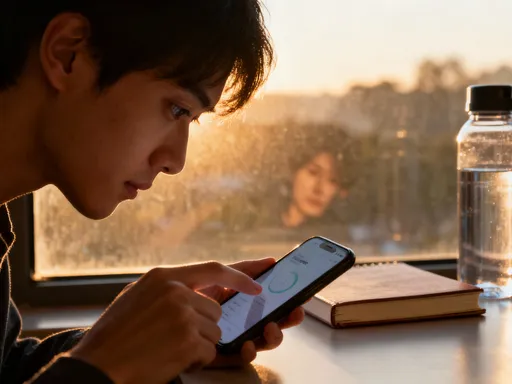
And slowly, my habits changed. I walked more. I drank more water. I even started reading before bed instead of scrolling. Not because the app forced me, but because it made progress visible. I could see my streak—five days, then ten, then twenty. Not perfect, but growing. And on the days I missed? I didn’t quit. I just tapped “done” the next day. No drama. No restart. Just moving forward. That’s when I realized: this wasn’t about the app. It was about what the app made possible—small wins, repeated, that added up to real change.
Building Trust: What Makes an App Feel “Solid”
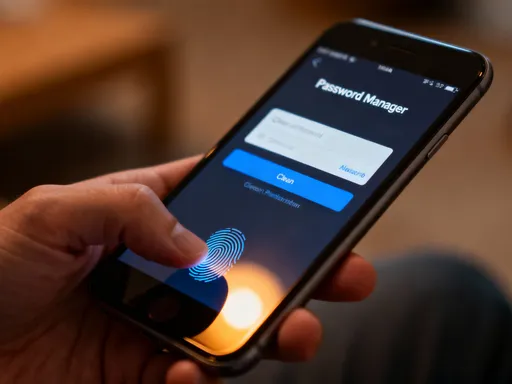
Trust doesn’t come from features. It comes from feeling safe. And that’s what this app gave me—safety. I knew my data was backed up. I knew it wouldn’t vanish if my phone died. I knew I could use it offline, on a plane, in a basement, anywhere. That peace of mind is priceless.
Think about it: how many times have you lost progress because a battery died or an update broke something? It’s not just frustrating—it’s discouraging. It makes you question whether it’s worth the effort. But when your tool is stable, you stop worrying about the tool. You start focusing on the goal. That’s the power of reliability.
This app loads fast. No spinning wheels. No waiting. It works in the background, syncing quietly when I’m back online. Updates are smooth—no relearning how to use it. The interface is clean, with big buttons and clear labels. Nothing feels hidden. And it never crashes. Not once in over a year. That might sound small, but it’s huge. Every time it works exactly as expected, it builds trust. It’s like a well-made pair of shoes—comfortable, dependable, unnoticed until you realize you’ve been walking farther than ever.
And here’s the best part: it doesn’t try to be everything. It doesn’t have social features. No ads. No in-app purchases. It’s just a tracker. Simple. Focused. Like a kitchen knife that’s sharp and always in the same drawer. You don’t think about it—you just use it. That’s what makes it feel solid. It’s not trying to impress you. It’s trying to serve you. And in a world full of noisy, attention-hungry apps, that quiet reliability is a gift.
Linking Goals to Real Life: Family, Growth, and Quiet Pride
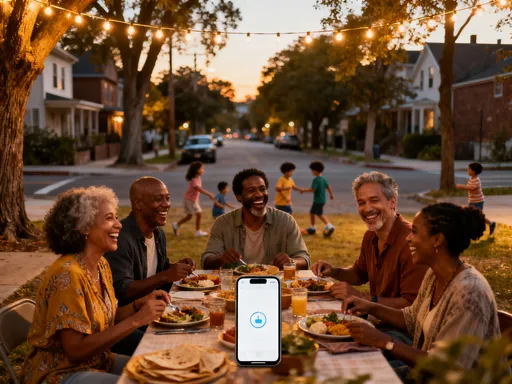
My goals weren’t just about me. They were about my life. When I started walking regularly, I had more energy to play with my kids in the backyard. I didn’t get winded chasing them around the park. When I saved $50 a week, I was building toward a family trip to the mountains—something we’d talked about for years. When I read more, I felt calmer at bedtime, less anxious, more present.
The app didn’t create those moments. But it helped make them possible. It gave me the structure to show up for myself, so I could show up better for others. I remember one Saturday, my daughter asked, “Mom, will you race me to the big tree?” A year earlier, I would’ve said no, worried about my knees or my breath. But that day, I said yes. And I kept up. Not because I was suddenly athletic, but because I’d been walking, consistently, without pressure, without drama. That small victory meant more than any badge.
Tracking my progress didn’t make me perfect. But it made me proud. Not in a loud way, but in a quiet, steady way. The kind of pride that comes from knowing you showed up, even when it was hard. Even when no one was watching. That’s the emotional reward no one talks about—feeling capable. Feeling like you can trust yourself. And that confidence spills over. It shows up in how you speak, how you carry yourself, how you handle stress.
One day, my son said, “You seem happier lately.” I didn’t realize it, but I was. Not because everything was perfect—but because I felt in control of one small part of my life. And that made the rest feel more manageable. The app wasn’t the hero. It was the quiet enabler of a better rhythm, a calmer mind, a more joyful connection with the people I love.
Making It Yours: Simple Ways to Start and Stay Consistent
If you’re thinking about trying a goal-tracking app, here’s what worked for me: start small. Pick one thing—one habit you’d love to build. Not five. Not ten. One. Something that feels doable, even on a tough day. For me, it was drinking a glass of water after breakfast. That’s it. No fancy plan. Just one tap in the app after I finished my glass.
Then, link it to something you already do. After I brush my teeth, I drink water. After I put the kids to bed, I read for ten minutes. These are called “habit stacking,” and they work because they piggyback on routines that are already automatic. You don’t have to remember the new habit—you just attach it to the old one.
Set up reminders, but keep them gentle. A soft chime, not a blaring alarm. And don’t aim for perfection. Miss a day? No problem. Just tap it the next day. The goal isn’t a perfect streak—it’s consistency over time. Think of it like watering a plant. You don’t give it a year’s worth of water at once. You give it a little, regularly. That’s how growth happens.
And choose an app that feels good in your hands. One that’s easy to open, simple to use, and doesn’t make you think. Look for reviews that say things like “I’ve used it for years” or “It just works.” Avoid anything that feels complicated or flashy. You want a tool, not a toy. And give it time. Don’t judge it after three days. Try it for three weeks. Let it settle into your rhythm. Let it become part of your quiet, daily wins.
The Bigger Picture: Stability as Self-Care
In a world that never slows down, where news alerts ping and schedules overflow, having one small, stable thing can be a lifeline. That’s what this app became for me—not just a tracker, but a practice in self-care. Every tap was a tiny act of kindness to my future self. A way of saying, “I see you. I’m showing up.”
Stability isn’t glamorous, but it’s powerful. It’s the foundation of confidence, of peace, of progress. When your tools are reliable, you can focus on what matters—your family, your health, your joy. You don’t have to fight the system. You can just live.
I still have days when I don’t meet my goals. But now, I don’t see them as failures. I see them as part of the journey. And I know I can return, without shame, without starting over. That’s the freedom a good app gives you—not perfection, but permission to keep going.
So if you’ve been saying, “I’ll try again next week,” I get it. But what if this week could be different? What if you had a quiet, steady companion to help you take one small step, and then another? It won’t change your life overnight. But over time, it might just help you build the life you’ve been dreaming of—one tap at a time.