Fatty Liver Fix: How I Turned My Health Around Fast – And You Can Too
Living with a fatty liver used to feel like carrying invisible weight—sluggish energy, constant fatigue, and that nagging worry about long-term damage. But what if you could start reversing it quickly, without extreme diets or pills? I discovered simple, science-backed changes that made a real difference. This is how I took control—and how you can begin your own health upgrade today. Fatty liver disease is no longer a condition limited to heavy alcohol use; it’s quietly affecting millions due to modern diets and sedentary lifestyles. The good news? It’s often reversible with the right steps, and you don’t need drastic measures to begin healing.
The Wake-Up Call: Recognizing Fatty Liver Before It’s Too Late
Fatty liver disease, formally known as non-alcoholic fatty liver disease (NAFLD), occurs when excess fat builds up in liver cells, impairing its ability to function properly. The liver, one of the body’s most vital organs, plays a central role in processing nutrients, filtering toxins, and regulating metabolism. When fat makes up more than 5 to 10 percent of the liver’s weight, it can lead to inflammation, scarring, and, in severe cases, cirrhosis or liver failure. Yet, many people live with this condition for years without knowing it.
Early symptoms are often subtle and easily dismissed. Persistent fatigue, unexplained bloating, mild discomfort in the upper right abdomen, and occasional brain fog are common warning signs. These symptoms are not dramatic, which makes them easy to overlook or attribute to stress or aging. More telling clues appear in routine blood tests—elevated liver enzymes such as ALT (alanine aminotransferase) and AST (aspartate aminotransferase) often signal liver stress. For many, it’s this kind of result that becomes the wake-up call.
What’s especially concerning is that fatty liver is no longer limited to older adults. Rising rates of obesity and insulin resistance have led to increased diagnoses in people as young as their 30s and 40s. Children are now being diagnosed more frequently as well. The condition is closely linked to metabolic syndrome, a cluster of conditions including high blood pressure, high blood sugar, excess abdominal fat, and abnormal cholesterol levels. This connection underscores that fatty liver is not an isolated issue—it’s a signal of broader metabolic imbalance.
One of the most misunderstood aspects is that fatty liver is not caused by alcohol alone. While excessive drinking can lead to alcoholic fatty liver disease, NAFLD stems primarily from dietary and lifestyle factors. Consuming too much sugar, especially fructose, leads the liver to convert excess into fat. A lack of physical activity, poor sleep, and chronic stress further compound the problem. The condition develops silently, often progressing over years before symptoms become severe enough to prompt medical attention.
Recognizing fatty liver early is crucial because it’s during this initial phase that reversal is most possible. Once inflammation sets in and fibrosis begins, the process becomes harder to halt. The good news is that awareness is growing. More doctors are including liver function tests in routine check-ups, especially for patients with risk factors like obesity, type 2 diabetes, or a family history of liver disease. Being proactive—asking for blood work, paying attention to how your body feels, and understanding the signs—can make all the difference.
Why Fast Action Matters: The Science Behind Early Intervention
The liver is unique among organs for its remarkable ability to regenerate. Unlike the heart or brain, which have limited capacity for self-repair, the liver can regrow damaged tissue as long as the injury isn’t too advanced. This regenerative power is what makes early intervention so powerful. When fat accumulation is caught early and the contributing factors are addressed, the liver can begin to heal—sometimes within weeks.
Scientific studies have shown that lifestyle changes can lead to measurable improvements in liver fat content in as little as 4 to 8 weeks. One study published in the journal Hepatology found that participants who reduced their sugar intake and increased physical activity saw a significant decrease in liver fat, even without major weight loss. This highlights a key point: it’s not just about losing pounds—it’s about changing the metabolic environment that allowed fat to build up in the first place.
At the core of fatty liver development is insulin resistance. When cells stop responding properly to insulin, the hormone that helps regulate blood sugar, the body produces more of it to compensate. High insulin levels promote fat storage, particularly in the liver. Diets high in refined carbohydrates and added sugars—especially high-fructose corn syrup—overwhelm the liver’s processing capacity, turning excess sugar into fat. Over time, this leads to fat accumulation, inflammation, and impaired liver function.
Sedentary behavior worsens the problem. Sitting for long periods slows metabolism and reduces insulin sensitivity. Even a single day of inactivity can lead to temporary insulin resistance. When combined with a poor diet, the effect is cumulative. The liver, already overworked, becomes a storage site for fat rather than a processing center for nutrients and toxins.
The encouraging truth is that these processes are reversible. When sugar intake is reduced, insulin levels drop, and the body begins to burn stored fat for energy—including fat in the liver. Physical activity enhances this process by improving insulin sensitivity and increasing fat oxidation. Sleep and stress management also play critical roles in regulating hormones that influence fat storage. The body is constantly responding to lifestyle inputs, and positive changes yield measurable results.
Waiting for symptoms to worsen before taking action can lead to irreversible damage. Once fibrosis—scar tissue formation—begins, the liver’s ability to regenerate diminishes. The progression from fatty liver to non-alcoholic steatohepatitis (NASH), then to cirrhosis, can take years, but the window for reversal narrows over time. Acting early doesn’t just prevent disease—it restores energy, improves digestion, and enhances overall well-being. The choices you make today directly influence your liver’s health tomorrow.
My Quick-Start Strategy: Three Changes That Made Immediate Impact
When I first learned about my fatty liver, I felt overwhelmed. I didn’t want to follow a complicated diet or spend hours at the gym. What I needed were simple, sustainable changes that could make a difference quickly. After researching and consulting with a healthcare provider, I focused on three high-impact adjustments that didn’t require a complete lifestyle overhaul. These changes were easy to adopt, and the results were noticeable within days.
The first change was cutting out added sugars, especially sugary drinks. I realized I was consuming far more sugar than I thought—sweetened teas, flavored coffees, and even so-called healthy smoothies were loaded with hidden sugars. Fructose, in particular, is metabolized almost entirely by the liver, and excess amounts are converted directly into fat. By switching to water, herbal teas, and plain sparkling water with lemon, I eliminated a major source of liver stress. Within five days, I noticed a boost in energy and less afternoon sluggishness.
The second change was increasing daily movement. I didn’t start with intense workouts. Instead, I began taking a 15-minute walk after each meal. This simple habit helped regulate blood sugar and improved digestion. Walking after eating has been shown to reduce post-meal glucose spikes, which in turn lowers insulin demand on the liver. Over two weeks, I found my clothes fitting more loosely, and my mood became more stable. Movement didn’t have to be long or hard—consistency was what mattered.
The third change was prioritizing sleep. I used to stay up late scrolling on my phone, then struggle to wake up in the morning. Poor sleep disrupts hormones like leptin and ghrelin, which regulate hunger and fullness, often leading to overeating. It also increases cortisol, a stress hormone that promotes fat storage in the liver. I set a bedtime routine—turning off screens an hour before bed, reading a book, and keeping the bedroom cool and dark. Within a week, I was falling asleep faster and waking up more refreshed.
These three changes—eliminating added sugars, moving more, and improving sleep—were not miracle cures. They were basic, science-backed habits that addressed the root causes of fatty liver. I didn’t lose weight rapidly, but my body composition began to shift. My energy improved, my digestion normalized, and follow-up blood work showed a clear decline in liver enzymes. The key was consistency. Small efforts, repeated daily, created lasting change. You don’t need perfection—just progress.
Food That Fuels Recovery: What to Eat (and Skip) for Liver Health
Nutrition plays a central role in reversing fatty liver. The right foods can reduce inflammation, support detoxification, and help the liver burn fat. The wrong ones can worsen fat accumulation and insulin resistance. The goal isn’t deprivation but nourishment—choosing foods that support healing while avoiding those that add stress.
Leafy green vegetables like spinach, kale, and Swiss chard are excellent for liver health. They are rich in antioxidants, fiber, and chlorophyll, which help neutralize toxins and reduce oxidative stress. Cruciferous vegetables such as broccoli, Brussels sprouts, and cauliflower contain compounds like sulforaphane that enhance the liver’s natural detox pathways. Including a variety of colorful vegetables in meals ensures a broad spectrum of protective nutrients.
Fiber-rich whole grains like oats, quinoa, and brown rice help stabilize blood sugar and improve insulin sensitivity. Unlike refined grains, which cause rapid spikes in glucose, whole grains release energy slowly, reducing the burden on the liver. Fiber also supports gut health, which is closely linked to liver function. A healthy gut microbiome helps regulate inflammation and prevents harmful substances from entering the bloodstream and reaching the liver.
Healthy fats are another essential component. Avocados, nuts, seeds, and olive oil provide monounsaturated and polyunsaturated fats that reduce liver fat and inflammation. Omega-3 fatty acids, found in fatty fish like salmon and sardines, have been shown to lower liver fat content and improve liver enzyme levels. These fats also support brain health and hormone balance, contributing to overall well-being.
Lean proteins such as chicken, turkey, eggs, and legumes provide the building blocks for tissue repair without overloading the liver. Protein helps maintain muscle mass, which is important because muscle burns more calories at rest and improves metabolic health. It also promotes satiety, reducing the urge to snack on sugary or processed foods.
On the flip side, certain foods should be limited or avoided. Processed foods are often high in unhealthy fats, sodium, and hidden sugars. Refined carbohydrates like white bread, pastries, and sugary cereals cause rapid insulin spikes, fueling fat storage in the liver. Sugary snacks, sodas, and fruit juices—especially those with high-fructose corn syrup—are particularly harmful. Even seemingly healthy options like flavored yogurts and granola bars can contain surprising amounts of added sugar.
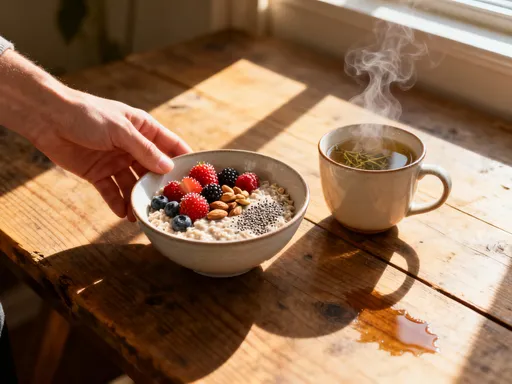
Reading food labels is a powerful tool. Ingredients are listed in order of quantity, so if sugar appears in any form—sucrose, high-fructose corn syrup, cane juice, maltose—among the first few items, it’s best to choose a different option. Meal prepping simple dishes like roasted vegetables with grilled chicken, overnight oats with nuts and berries, or lentil soup can make healthy eating easier and more consistent. Smart swaps, like choosing water over soda or whole fruit over juice, add up over time.
Movement as Medicine: Simple Daily Habits That Support the Liver
Exercise is a powerful tool for liver health, but it doesn’t have to mean intense workouts or expensive gym memberships. The key is regular, moderate activity that supports metabolic function. Physical movement helps the body use insulin more efficiently, reduces inflammation, and promotes fat burning—including fat stored in the liver.
Even light activity, such as a 15-minute walk after meals, can have a significant impact. Post-meal walks help lower blood glucose levels, reducing the amount of sugar the liver has to process. This simple habit can improve insulin sensitivity over time, making it easier for the body to manage energy and store less fat. For many, this is a manageable starting point that fits easily into daily life.
Other small changes can add up. Parking farther away from store entrances, taking the stairs instead of the elevator, and doing short stretches during TV commercials all contribute to daily movement. These activities may seem minor, but they help break up long periods of sitting, which is a major risk factor for insulin resistance and fatty liver. The goal is to be consistently active throughout the day, not just during a single workout.
For those able to do more, moderate-intensity exercises like brisk walking, cycling, or swimming for 30 minutes most days of the week offer additional benefits. Strength training, even with light weights or resistance bands, helps build muscle, which in turn boosts metabolism. Muscle tissue burns more calories at rest than fat tissue, making it easier to maintain a healthy weight and reduce liver fat over time.
The most important factor is consistency. It’s better to walk 15 minutes every day than to do a 90-minute workout once a week. The liver responds to daily habits, not occasional bursts of effort. Over time, regular movement improves circulation, supports detoxification, and enhances overall energy levels. You don’t need to push yourself to exhaustion—gentle, sustainable activity is more effective in the long run.
The Hidden Factor: Sleep, Stress, and Hormonal Balance
Sleep and stress are often overlooked in discussions about liver health, yet they play a critical role. Poor sleep disrupts the balance of hormones that regulate appetite, metabolism, and fat storage. When you don’t get enough restful sleep, levels of ghrelin—the hunger hormone—rise, while leptin—the fullness hormone—drops. This imbalance can lead to increased appetite, cravings for sugary and fatty foods, and overeating, all of which contribute to liver fat accumulation.
Chronic stress has a similar effect. When the body is under constant stress, it produces higher levels of cortisol, a hormone that increases blood sugar and promotes fat storage, particularly in the abdominal area and the liver. Elevated cortisol also disrupts sleep, creating a vicious cycle. Many women in their 30s to 50s face multiple stressors—work, family, caregiving—and may not realize how deeply these affect their physical health.
Improving sleep hygiene can break this cycle. Simple practices like going to bed and waking up at the same time every day, avoiding screens before bedtime, and creating a calming bedtime routine can improve sleep quality. Keeping the bedroom cool, dark, and quiet also supports deeper, more restorative sleep. Over time, better sleep leads to more stable energy, reduced cravings, and improved mood—all of which support liver recovery.
Managing daily stress is equally important. Techniques such as deep breathing, mindfulness meditation, journaling, or spending time in nature can help lower cortisol levels. Even a few minutes of quiet reflection each day can make a difference. Some find relief in gentle yoga or tai chi, which combine movement with breath awareness to calm the nervous system. The goal isn’t to eliminate stress entirely—that’s impossible—but to build resilience and prevent chronic activation of the stress response.
Hormonal balance is also influenced by lifestyle. Insulin, cortisol, leptin, and ghrelin all interact in complex ways, and their equilibrium depends on diet, activity, sleep, and emotional well-being. By addressing all these factors together, you create a supportive environment for liver healing. It’s not just about what you eat or how much you move—it’s about how you live each day.
Tracking Progress and Staying Motivated: Signs Your Liver Is Healing
Healing a fatty liver is a gradual process, and progress isn’t always visible on the scale. However, there are meaningful signs that your body is responding. Many people notice improved digestion—less bloating, more regular bowel movements, and reduced discomfort after meals. These changes reflect a healthier gut and a liver that’s functioning more efficiently.
Energy levels often improve. Instead of relying on caffeine to get through the day, you may find yourself feeling more alert and sustained throughout the morning and afternoon. Mood stability is another positive sign. As blood sugar levels normalize and inflammation decreases, many report feeling calmer, more focused, and less prone to irritability.
Skin clarity can also improve. The liver plays a role in filtering toxins, and when it’s overloaded, skin issues like dullness, acne, or rashes may appear. As liver function improves, the skin often becomes brighter and more even-toned. Some notice that their clothes fit better, even if the number on the scale hasn’t changed much—this is a sign of improved body composition, with fat being replaced by lean tissue.
While these signs are encouraging, medical follow-up is essential. Blood tests that measure liver enzymes, fasting glucose, and lipid profiles provide objective data on your progress. An ultrasound or FibroScan may be used to assess fat levels in the liver. Regular check-ins with a healthcare provider help ensure that improvements are on track and allow for adjustments if needed.
Staying motivated means celebrating small wins. Did you choose water over soda today? Did you take a walk after dinner? These choices matter. Progress isn’t about perfection—it’s about consistency. Keeping a journal, sharing your journey with a supportive friend, or setting simple weekly goals can help maintain momentum. Remember, every positive choice is a step toward a healthier liver and a stronger, more vibrant you.
A Healthier Liver, A Stronger You
Reversing fatty liver isn’t about quick fixes or extreme diets—it’s about making lasting, sustainable changes that support your overall health. The steps outlined here—reducing added sugars, moving more, eating nutrient-rich foods, improving sleep, and managing stress—are not temporary solutions. They are lifelong upgrades that benefit every system in the body. The liver is resilient, but it needs consistent care to heal and thrive.
By taking action early, you harness the body’s natural ability to repair itself. You don’t have to wait for a crisis to make a change. Small, daily choices add up to significant results over time. This journey isn’t just about preventing disease—it’s about reclaiming energy, improving well-being, and feeling truly alive. Your liver works hard for you every day. Now is the time to return the favor.